

Blog / Monday May 18, 2026
How to Find the Right Blog Niche in 2026

Choosing the right blog niche means finding a topic that has audience demand, monetization potential, and long-term value you can consistently write about. While millions of blogs exist online today, most fail because they target overly broad topics or niches with no clear audience need. The best blog niches balance personal expertise, search demand, and realistic competition. In this guide, you’ll learn how to validate a niche idea, analyze audience interest, assess profitability, and choose a niche that can grow into a successful long-term blog.
What Is a Blog Niche?
A niche is a specific, narrow topic that the blogger or content creator discusses in their content. It’s not enough, however, to just have a subject. It needs to be narrowed down to a specific niche audience and address its interests and issues. If you go broad, you will compete with thousands of others who already have established their brand and authority on the matter at hand. So you need to find the perfect untouched (or at least barely touched) topic where you can shine.
For example, if you start a Web Hosting-related blog, you will have to go against some pretty famous and big competitors, who will have higher authority, more resources, and better capacity to answer the audience’s needs. On the other hand, if you decide to go after a narrower niche, like for example Cloud-based Web Hosting, you will have fewer competitors, and although your niche audience won’t be as big as when you go broad, they will be highly motivated to read your blog.
How narrow should you go?
Naturally, when choosing a blog niche, you must goldilocks how narrow you need to go. As already discussed, if your main blog topic is too general, you will have far too many competitors discussing the same issues. Furthermore, many audience members will prefer to find something more aligned with their specific needs, meaning they will choose a more niche blog.
On the other hand, if you decide to go extremely niche, you might make your audience so small that it wouldn’t make any sense to make blog posts specifically for them. For example, if your main topic is bicycles, that’s way too general. Narrowing it down to MTB is not enough, as thousands of websites are dedicated to the topic. Going even further and discussing e-MTBs is probably a better choice since they are relatively new on the market, and there aren’t as many e-MTB riders as there are mountain bikers.
The product is specific, and while many MTB blogs will occasionally discuss e-MTB, there are rarely generally dedicated blogs for this particular growing audience. You can go even further and write only about e-MTB bikes with a specific motor type. That will be a bit riskier, but if your audience analysis shows that there is enough interest in this narrowed-down topic, you can go ahead and try. However, going down this rabbit hole, you need to be careful not to narrow it down too much and finally write for just a couple of very extravagant fans of a specific brand, model, or even part.
Don’t Choose Based on Potential Profits
On the internet, you will find countless suggestions titled “the most profitable niche,” which may even have some truth behind them. For example, the Digital Marketing niche is on the rise since the industry’s worth has been steadily growing and is up to $208 billion today. Furthermore, it’s expected to grow to over $350 billion by 2026, which is a good enough reason for anyone to start a blog immediately. However, you shouldn’t go after the money at all costs.
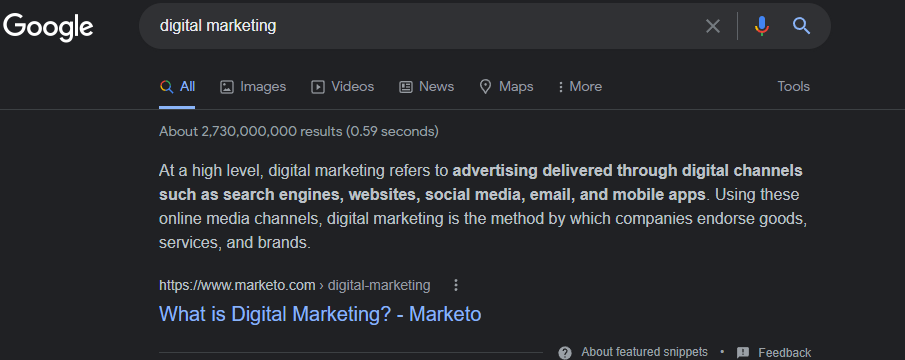
Firstly, Digital Marketing is way too broad a niche, with 2.73 billion results. Furthermore, in the top spots are some well-known and highly authoritative websites, which you simply won’t be able to outcompete. If you decide to go for such a high-profile niche, make sure to do your research and go as narrow as possible.
Even so, if you want your blog to be successful, going for the most profitable market is not the best option. Instead, you should listen to your heart.
Think About Things You Know and Love
Writing solely for the money will turn into a nightmare really fast. It will get boring, and you will lose interest before you manage to make your blog profitable enough to keep you invested despite feeling unfulfilled and frustrated with researching and writing on a topic you dislike. Needless to say, this will affect the quality of your work, and regardless of your efforts, you will fail.
To avoid this fate, all you need to do is look into yourself. What are your interests? What do you talk passionately about? Is there a topic you know in detail? For most people, there are quite a few of those, but writing on all of them will dilute your audience, so you need to choose only one.
To help you decide, make a list and rate your expertise, interest, and most importantly, experience with all of the topics, and choose the one with the highest score.
Check Your Audience Size and Characteristics
Once you’ve picked your main topic, it’s time to see if others will find it interesting enough to spend some time on your blog. Behind any blog niche, there is a short-tail keyword, which makes checking how big your audience would be much easier. All you need to do is use some SEO tools to inspect how often this particular keyword phrase has been searched in the past months. Fortunately, Google, which has 90% of the search engine market, has some pretty useful tools in this direction, like Google Trends, for example.
Along with the number of average monthly searches, you will need to analyze whether the interest is rising, stable, or declining. If the interest in your topic is falling, you need to reconsider. There is a chance to revive the audience’s passion, but that’s highly unlikely. If you want to make your blog profitable and not just share your opinion on an issue you are interested in, the best course of action is to abandon it. On the other hand, a rising interest might be a good idea, although there is always a risk that this topic is currently having its 15 minutes of glory and will die out soon.
Keywords with steady interest are probably the best choice, but they will invite vast competition. Needless to say, choosing your strategy carefully is key.
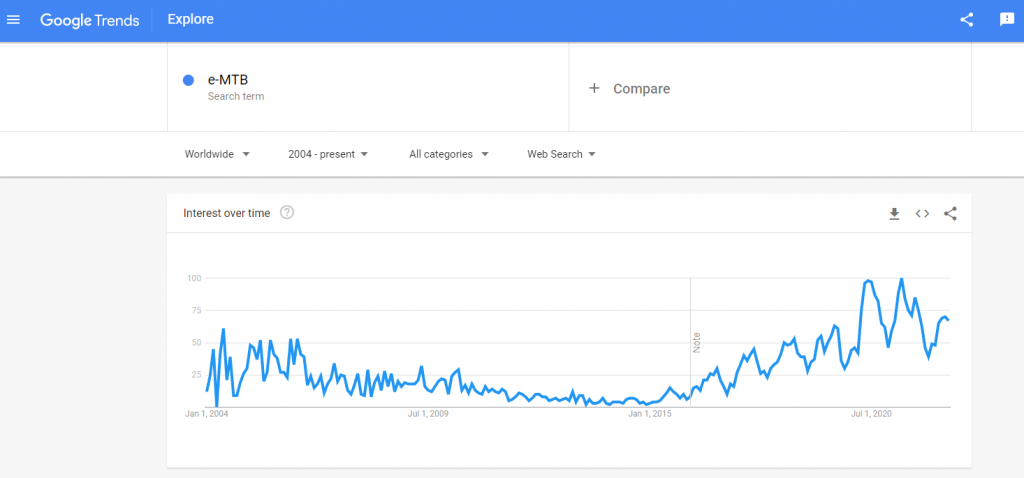
For example, as the graph shows, E-MTB has a relatively small interest, steadily rising over the years. It peaked during the COVID pandemic, which is unsurprising, and now is in a slight decline. Interestingly, you can see that there is a significant bump during the summer months, and even so, at best, under 100 people search for the term 6 out of 12 months. These downsides render the whole idea not particularly good, even though, on paper, it might sound insightful and lucrative. So it’s time to get back to the drawing board.
Make Sure You’re Solving a Problem
When you find a topic that both interests you and there is an audience for it, you need to think about your selling point. When you are new on the market, you need to offer something lucrative, imaginative, and, most importantly, something that they will find valuable. Otherwise, why would anyone choose you over your competitors? Keep in mind that a unique voice is not a selling point, and everyone does it. What you need to do is offer a solution to an existing and unaddressed issue of your target audience. That’s actually another reason why talking about a hobby of yours is a good idea. You are in the same community as your audience, and you know what’s bothering them. Offer a solution, and people will love you for it.
For example, thousands of blogs and websites offer recipes for all sorts of diets, but there are rarely any of them that offer you a full-on monthly menu with caloric intake and what deviations you might do if you can’t find a specific product. This is a problem for those who are trying to lose weight, and providing a solution will bring them to your blog.
The toughest part is actually isolating the problem. After that, finding the solution and providing it is a bit less complicated.
Make Sure You Can Monetize Your Idea
If you are willing to gain some profits from your endeavors, analyze how profitable your chosen niche is. Quick competitor research is the easiest way to find out how to monetize your work. This will help you also determine your competition’s size and whether your particular selling point is already taken in full. Just go to Google and write your niche keyword phrase + blog. If there are none, congrats, you are truly unique. Then, you need to step back to a broader niche, where you can do the same. Open all blogs you can find, and see how they monetize. Be vigilant about the banners they display, whether they offer products with built-in links or sell their own product. Depending on your niche, you can offer courses, products, e-books, and anything in between.
One pretty good idea is to check if any brand is spending money to advertise a product on Google with your keyword. If so, your most secure income will be through Google AdSense ads. This, however, is not as profitable as signing up for an affiliate program with Amazon or another retailer. Depending on your niche, you can make some decent money from it since most retailers will pay you a percentage of the product’s price.

Think of a Catchy Name
Finally, when your analysis is complete and you’ve found your blog niche, it’s time to think of a catchy name. Naturally, it should incorporate into itself what the focus of your blog is and indicate what your niche is. If you can include a pun in your name, that’s even better. Next, you should try to avoid overly complex and long names, as no one would remember them. You want organic traffic coming back by writing your name in the address bar, and not only through Google.
It’s a good idea to always think of a name while checking if the domain name is free. With 1.9 billion websites on the internet today, needless to say, most names are already taken. You need to be creative and sharp to make sure you can land the perfect name for your perfect blog.
To make it easier, you can check if your fantastic blog name is free here.
Final Thoughts
Now that you have your blog niche, audience, monetization methods, and domain, it’s time to get to work. Try not to overflood your audience with too much information, though, or you will quickly find out that finding new topics to write about in a tight niche is not as easy as you might think, even if you use long-tail keywords for the process.
FAQs
Your niche should be focused enough to reduce competition but broad enough to support ongoing content ideas and audience growth.
Yes, niche blogs can generate income through ads, affiliate marketing, sponsored content, and digital products.
Good beginner niches include personal finance, fitness, technology, travel, productivity, and specialized hobby topics with growing search demand.
